
Electrical damage in home insurance: the small print
Has a power surge left you without a TV or fridge? We explain what electrical damage cover includes and what to check in your policy before it's too late.
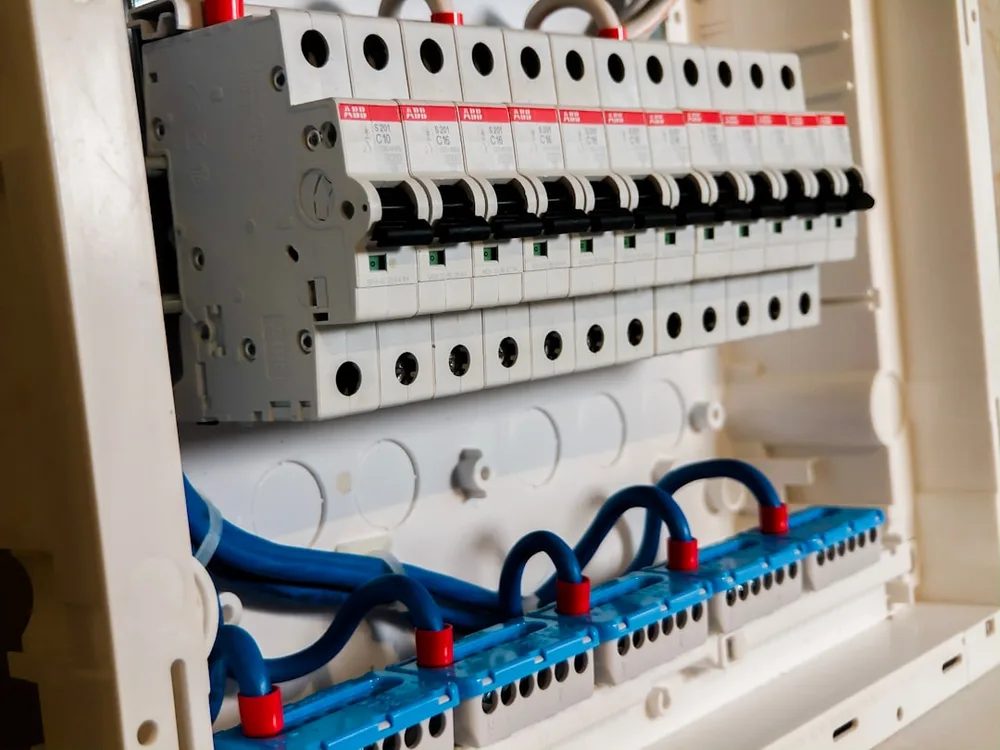
Imagine a summer night in Marbella when there's a power surge on the grid. The next morning you switch on the television and nothing happens. You check the router, the fridge, the hob — silence. It was shaping up to be a perfectly good day until you tot up the cost of everything that needs replacing. That's when you ask yourself: isn't this exactly what I have insurance for?
It depends. The electrical damage guarantee exists in many home insurance policies, but it comes with small print that's worth understanding before a nasty surprise — not after.
What exactly is electrical damage cover in a home insurance policy?
It covers the damage sustained by your home's installations or appliances when electricity reaches them abnormally: a power surge, a short circuit, or a sudden voltage drop. The electrical damage guarantee covers, in principle, equipment that has been rendered unusable or damaged by a fault in the electrical supply.
The key phrase is "in principle". Because what seems straightforward — something went wrong with the electricity and the appliance broke — turns out in practice to have a great many nuances that the policy wording regulates with considerable precision.
What do people think is covered that actually isn't?
Many people assume that any electrical fault in the home falls within this guarantee, and that misunderstanding is what causes the most problems when it comes to making a claim.
The first thing to understand: in the majority of policies, only short circuits of external origin are covered. That is, the fault must come from outside your home — from the supply network or a surge on the main line. If the origin is internal, for example a problem with your own property's wiring, it is generally excluded, although some insurers do cover this as an exception. This rules out a significant number of everyday cases.
A second common mistake: confusing electrical damage with appliance breakdown — wear and tear, mechanical failure, or an appliance failing internally through use or age. These are separate guarantees. If your washing machine stops spinning because the motor has simply reached the end of its useful life, that is not electrical damage, even though the appliance runs on electricity.
A third frequent source of confusion: in some policies, appliances that are older than a certain number of years — which varies by insurer — are excluded from this cover entirely. If your television is an older model, the policy may not cover it even if the power surge was genuine.
When does the cover apply and when doesn't it?
Cover typically kicks in when you can demonstrate that the fault originated from the external electricity network. And here is another point that often comes as a surprise: insurers will usually ask you for the incident reference number you reported to your energy supplier — Endesa, Iberdrola, or whoever supplies your area of the Costa del Sol — or a copy of the written notification you sent them. They will also usually ask for a copy of your most recent electricity bill. Without that documentation, processing a claim becomes considerably more difficult.
Examples where cover is likely to apply:
- A power surge on the local electricity network that damages several appliances simultaneously.
- A sudden power cut and reconnection that damages the motherboard of a computer or the compressor of a fridge.
Examples where cover is unlikely to apply:
- A short circuit caused by a faulty cable within your own property's wiring.
- A fault in an appliance that is older than the age limit specified in your policy, even if the surge came from outside.
- Any repair carried out by yourself or by an external technician without first going through the insurer's authorised service network, if your policy requires you to use it. Some policies will void the claim if you arrange the repair independently.
- An electrical installation that does not comply with current regulations: this is typically a direct grounds for exclusion.
Are there financial limits that nobody mentions?
This guarantee usually comes with a fairly modest starting limit — sometimes in the region of €500 per claim in the most basic tiers — and typically includes a excess, meaning an amount you pay yourself before the insurer begins to contribute. That excess can be around €100 per appliance, although in some policies it disappears if the repair is carried out by the insurer's official technical service. However, that starting limit is not fixed: many policies offer an optional extension that raises cover to 100% of the sum insured for buildings and/or contents, while other insurers begin with much higher limits — several thousand euros — on their premium tiers. It is worth checking which level you have taken out, because the difference is significant.
The problem is that if two or three appliances are damaged in the same incident and your policy limit is low, it can run out very quickly. Any repair costs above that limit fall to you. This is exactly the kind of detail that is rarely explained at the point of sale.
Pay attention, too, to the tier of policy you have taken out. Some products are structured in levels — basic, standard, plus, or similar names. At the most basic level, only repairs carried out through the insurer's own technical service may be permitted: if you call an outside technician, you lose cover. Some policies extend that flexibility at higher levels, but always subject to specific conditions. Check which applies to you.
Bear in mind that these figures reflect common market patterns drawn from various insurers — they do not describe any single policy. Each insurer sets its own limits, excesses and repair conditions, so it is always worth reviewing the specific wording of your own policy before assuming anything.
What should you check in your policy before anything goes wrong?
- Origin of the short circuit: does it cover only external faults or internal ones as well? Look for this in the policy wording — the difference matters.
- Age of appliances: is there an age limit beyond which they are excluded?
- Maximum indemnity: how much does the policy pay out per claim? Check whether there are sub-limits per appliance.
- Excess: how much do you contribute upfront? Does it disappear if you use the official technical service?
- Technical service: can you use any repairer you choose, or must you use the insurer's network? What happens if you don't?
- Required documentation: always keep your most recent electricity bill, and if there is a network incident, note down or request the incident reference number from your supplier as soon as possible.
- Condition of your installation: is it up to date with current electrical regulations? An old installation that has not been inspected can be grounds for exclusion.
If you have a home insurance policy and you are unsure about any of these points, now is the time to review it — before a claim, not during one.
Not sure exactly what your home insurance covers? Message us and we'll review it with you.
We're independent insurance brokers in Marbella. We compare the best options for you at no cost.
Would you rather we reviewed the policy you already have? Review my policy