Incendios forestales: qué cubre tu seguro de hogar en la Costa del Sol
Wildfires: what your home insurance covers on the Costa del Sol
¿Qué cubre tu seguro de hogar si hay un incendio forestal en la Costa del Sol? Descúbrelo y protege tu vivienda con Segurmar Marbella.
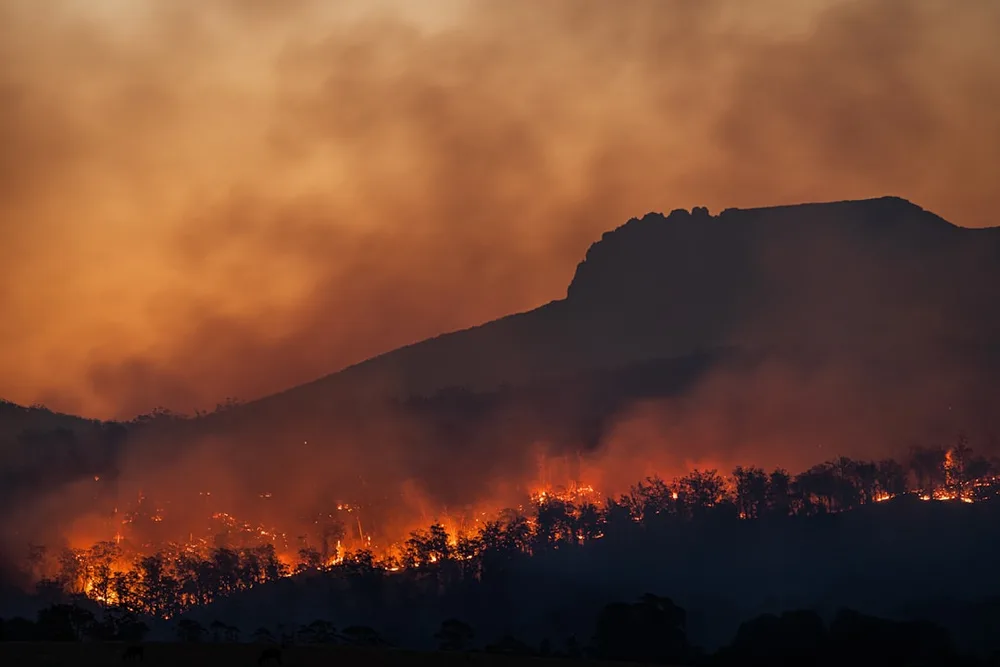
Find out what your home insurance covers in the event of a wildfire on the Costa del Sol. Protect your property with Segurmar Marbella.
Cada verano, las noticias nos recuerdan que los incendios forestales en la Costa del Sol son una amenaza real. Las zonas de sierra cercanas a Marbella, Ojén, Istán o Benahavís concentran un riesgo que muchos propietarios subestiman… hasta que el fuego se acerca demasiado. Si tienes una vivienda en esta zona, conviene que sepas exactamente qué cubre tu seguro de hogar ante este tipo de siniestro.
¿Los incendios forestales están cubiertos en el seguro de hogar?
La respuesta corta es: sí, pero con matices importantes. La mayoría de pólizas de hogar incluyen cobertura por incendio, pero no todas distinguen entre un incendio dentro de la vivienda y uno que llega desde el exterior, como un fuego forestal.
En términos generales, si las llamas alcanzan tu propiedad y causan daños directos, tu seguro de hogar debería responder. Pero el diablo está en los detalles: las condiciones particulares de cada póliza pueden limitar, excluir o ampliar esta protección.
Por eso, si vives en una urbanización rodeada de monte bajo o cerca de zona forestal, revisar tu póliza con detenimiento no es opcional: es imprescindible.
¿Qué daños suele cubrir la póliza?
Cuando un incendio forestal afecta tu vivienda, los daños pueden ser muy variados. Aquí te explicamos qué contempla habitualmente una póliza estándar de seguro de hogar:
- Daños estructurales: paredes, tejado, estructura del edificio dañados o destruidos por el fuego.
- Contenido del hogar: muebles, electrodomésticos, ropa, objetos personales quemados o con daños por humo.
- Daños por humo y hollín: incluso si las llamas no entran, el humo puede arruinar pinturas, textiles y aparatos electrónicos.
- Gastos de demolición y retirada de escombros: necesarios para iniciar la reconstrucción.
- Alojamiento provisional: si la vivienda queda inhabitable, algunas pólizas cubren los gastos de hotel u otro alojamiento.
- Pérdida de alquiler: si eras arrendador y el inmueble queda inutilizable, ciertas coberturas indemnizan las rentas no percibidas.
¿Qué puede quedar excluido?
No todo está cubierto automáticamente. Hay situaciones que conviene conocer para no llevarse sorpresas después de un siniestro.
El Consorcio de Compensación de Seguros (CCS) es el organismo público que en España cubre los llamados "riesgos extraordinarios". Los incendios forestales pueden encajar aquí si se consideran catástrofe natural, lo que significa que parte de la indemnización podría venir de este organismo y no directamente de tu aseguradora.
Sin embargo, para que el CCS actúe, es necesario que tu póliza incluya la cobertura de riesgos extraordinarios (obligatoria en la mayoría de seguros del hogar) y que el siniestro sea reconocido oficialmente como tal.
Otros puntos que pueden quedar fuera de cobertura:
- Daños en jardines, piscinas o instalaciones exteriores no declaradas.
- Vehículos dañados en el garaje (para eso está el seguro de auto).
- Objetos de valor no declarados específicamente en la póliza.
- Viviendas desocupadas durante más de cierto número de días seguidos (varía según aseguradora).
Consejos prácticos si vives en zona de riesgo en Marbella
La Costa del Sol tiene un microclima privilegiado, pero también veranos secos y calurosos que elevan el riesgo de incendio. Si tu vivienda está en una zona de interfaz urbano-forestal —esas urbanizaciones donde la ciudad se mezcla con el monte— estos consejos son para ti:
- Revisa tu póliza cada año y confirma que el capital asegurado está actualizado al valor real de reconstrucción.
- Asegúrate de que la cobertura de riesgos extraordinarios (CCS) está activada.
- Declara correctamente el contenido del hogar para que la indemnización sea suficiente.
- Guarda fotos o vídeo actualizados de tus bienes en la nube, fuera de la vivienda.
- Consulta con un corredor independiente si tu póliza cubre pérdida de uso o alojamiento provisional.
Un corredor de seguros independiente, como Segurmar en Marbella, puede comparar varias aseguradoras y detectar lagunas en tu cobertura antes de que ocurra el siniestro, no después.
¿Quieres comparar opciones sin compromiso? En Segurmar somos independientes — trabajamos con las mejores compañías para encontrar el seguro que mejor se adapta a ti. Escríbenos por WhatsApp desde nuestra oficina en Marbella.
Every summer, the news reminds us that wildfires on the Costa del Sol are a very real threat. The mountain areas close to Marbella, Ojén, Istán and Benahavís concentrate a risk that many homeowners underestimate… until the fire gets too close for comfort. If you own a property in this area, it is worth knowing exactly what your home insurance covers in the event of this type of claim.
Are wildfires covered by home insurance?
The short answer is: yes, but with important caveats. Most home insurance policies include fire cover, but not all of them distinguish between a fire that starts inside the property and one that arrives from outside, such as a wildfire.
Generally speaking, if flames reach your property and cause direct damage, your home insurance should respond. However, the devil is in the detail: the specific conditions of each policy can limit, exclude or extend this protection.
If you live in a residential development surrounded by scrubland or close to a forested area, reviewing your policy carefully is not optional — it is essential.
What damage is typically covered by the policy?
When a wildfire affects your home, the damage can vary considerably. Below we explain what a standard home insurance policy typically covers:
- Structural damage: walls, roof and the fabric of the building damaged or destroyed by fire.
- Home contents: furniture, appliances, clothing and personal belongings burnt or damaged by smoke.
- Smoke and soot damage: even if the flames do not enter the property, smoke can ruin paintwork, textiles and electronic equipment.
- Demolition and debris removal costs: necessary before reconstruction can begin.
- Temporary accommodation: if the property becomes uninhabitable, some policies cover the cost of a hotel or alternative accommodation.
- Loss of rental income: if you were letting the property and it becomes unusable, certain covers compensate for lost rental income.
What might not be covered?
Not everything is covered automatically. There are situations worth being aware of to avoid any nasty surprises following a claim.
The Consorcio de Compensación de Seguros (CCS) is the public body in Spain that covers so-called "extraordinary risks". Wildfires may fall under this category if they are classified as a natural catastrophe, which means that part of the compensation could come from this body rather than directly from your insurer.
However, for the CCS to intervene, your policy must include extraordinary risks cover (compulsory in the vast majority of home insurance policies) and the incident must be officially recognised as such.
Other items that may fall outside the scope of cover include:
- Damage to gardens, swimming pools or external installations not declared on the policy.
- Vehicles damaged in the garage (this is what motor insurance is for).
- Valuables not specifically declared on the policy.
- Properties left unoccupied for more than a certain number of consecutive days (this varies by insurer).
Practical advice if you live in a risk area in Marbella
The Costa del Sol enjoys a privileged microclimate, but it also experiences hot, dry summers that significantly increase the risk of fire. If your property sits in an urban-wildland interface area — those residential developments where built-up areas meet open countryside — the following advice is for you:
- Review your policy every year and confirm that the sum insured reflects the current rebuild cost of your property.
- Make sure that extraordinary risks cover (CCS) is included and active on your policy.
- Accurately declare your home contents so that any compensation is adequate.
- Keep up-to-date photos or video of your belongings stored in the cloud, away from the property.
- Ask an independent broker whether your policy includes loss-of-use cover or temporary accommodation.
An independent insurance broker such as Segurmar in Marbella can compare several insurers and identify gaps in your cover before a claim occurs — not after.
Would you like to explore your options with no obligation? At Segurmar we are fully independent — we work with the leading insurers to find the policy that best suits your needs. Send us a message on WhatsApp from our office in Marbella.
¿Tienes dudas sobre tu seguro?
Questions about your insurance?
Somos correduría independiente en Marbella. Te comparamos las mejores opciones sin coste.
We're independent insurance brokers in Marbella. We compare the best options for you at no cost.